2014 — 2026 · A legacy Twelve years of work, in one report

Advancing equity in shared micromobility.

The Better Bike Share Partnership (BBSP) launched in 2014 as a one-of-a-kind collaborative between the City of Philadelphia, PeopleForBikes, and the National Association of City Transportation Officials (NACTO) to advance equity in shared micromobility. For more than a decade, BBSP successfully removed barriers to access and ridership for communities of color, increased diversity in the shared micromobility industry, and helped transform the way bike and scooter share programs design and implement their systems.

The legacy of BBSP is not just in its programs, but in the network of leaders and practitioners it strengthened across the country. BBSP created a collaborative community where cities, nonprofits, operators, and advocates could share ideas, learn from one another, and improve how shared mobility systems serve their communities. BBSP also developed and supported a new generation of transportation leaders from a wide range of backgrounds and experiences through initiatives like the Transportation Justice Fellowship.

EST. 2014 · SUNSET JULY 2026
64 CITIES · 32 STATES
126 GRANTS · $4M+ DEPLOYED
43 TRANSPORTATION JUSTICE FELLOWS
700+ STORIES PUBLISHED
$36M+ ANNUAL HEALTH SAVINGS
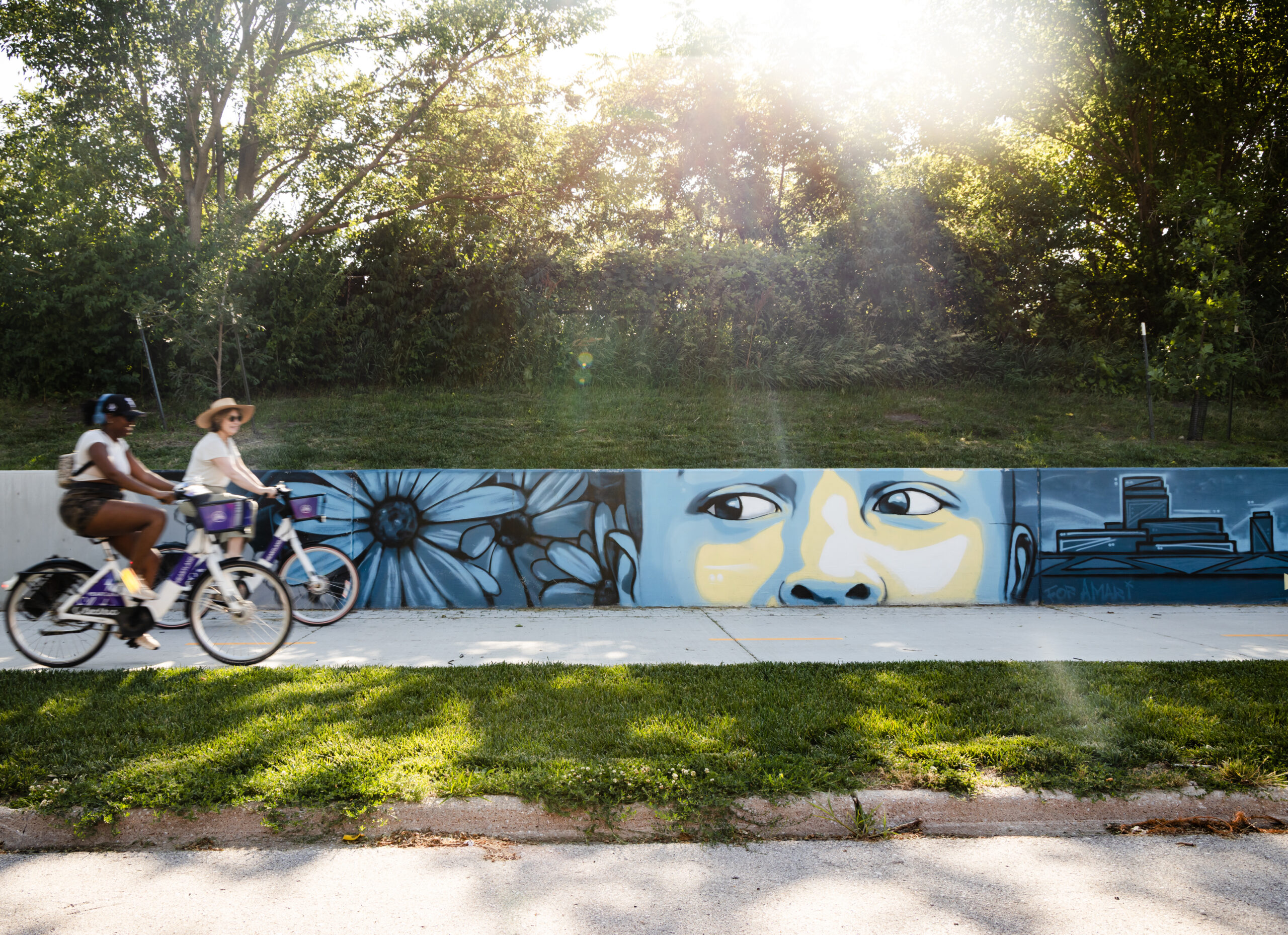
North Omaha community ride
North Omaha community ride · 2025
BBSP WORKED IN
0

cities across 32 states — from Philadelphia to Honolulu.

Where it started

Equity, by design.
Not an afterthought.

Bike share took off in U.S. cities around 2008. From the start, BBSP saw who was being left out — and built a partnership to do something about it.

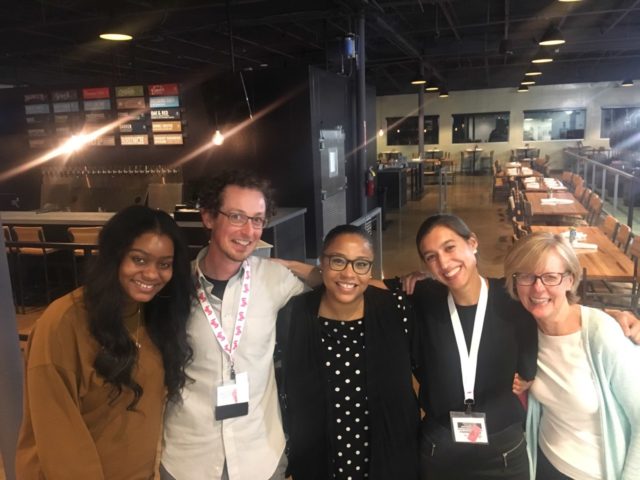
Original BBSP team, NABSA 2019
Original BBSP team · NABSA 2019

BBSP recognized there was a gap in who was being served by bike share when the first systems launched.

The City of Philadelphia knew they wanted to launch a bike share system built on a foundation of equity — not equity as an afterthought.

The City of Philadelphia wanted to make sure their riders looked like the majority-minority city they rode in. The partners came together around a common vision: to help bike and scooter share intentionally engage BIPOC and low-income communities in planning and implementation.

Philadelphia used early funding to install 20 stations in underserved neighborhoods, develop a cash payment option, and create a discounted pass program. That blueprint became the BBSP playbook.

2008
First U.S. bike share systems launch
2014
BBSP founded · Philadelphia plans Indego on a foundation of equity
2016
First grants deployed · <5% of systems offer equity programs
2024
92% of systems offer discount programs
The numbers that say it all

From a footnote to the norm.

Share of shared micromobility systems offering equity programs — measured at BBSP's launch and a decade later.

Shared micromobility systems · equity programs
2016 · BBSP's launch
<5%
2024 · today
92%

At BBSP's launch, almost no shared micromobility systems offered any kind of equity programming. Today, 92% offer discount programs, with many more centering equity through smartphone alternatives, cash payments, targeted community outreach, equitable vehicle distribution, and more.

SOURCE · NABSA 2024 STATE OF THE INDUSTRY REPORT

BBSP helped make equity programs — once an add-on — the norm.

Impact by the numbers

Twelve years of impact.

Every number below is what BBSP grants, fellows, stories, and roundtables actually produced. No projections — only deployed work.
G·01 · RETROSPECTIVE$0M+Awarded to projects increasing shared micromobility access in communities of color
G·02 · SINCE 20140Total grants awarded since BBSP's inception in 2014
G·03 · SINCE 201479 mini
+ 9 Living Lab
Grants awarded · cumulative since 2014
G·040Cities reached across the U.S.
G·050States with active BBSP work
G·06 · LED BY NACTO0Transportation Justice Fellows graduated
G·070+Stories published over 10 years
G·080Best-practice guides
G·090Equity in Shared Micromobility Roundtable gatherings
G·100National research · Drexel · PSU
G·11 · RETROSPECTIVE$0K+Contributed to equity content and increasing diversity at national conferences · NABSA & NACTO Designing Cities
G·120Grantee Impact Reports published
G·13 · OUTREACH EVENTS0+New people who rode shared bikes and scooters during outreach events
G·14 · SOURCE: COLORADO STATE UNIVERSITY ↗ $0M+ Annual U.S. healthcare savings attributed to bike share nationally — the public-health dividend of the field BBSP helped scale. Clockston, R.L.M. & Rojas-Rueda, D., Colorado State University. “Health impacts of bike-sharing systems in the U.S.,” Environmental Research 202 (2021), 111709. doi:10.1016/j.envres.2021.111709 · via BBSP, “Bike Share is a Boon for Public Health” (Aug 2021).
Bublr Bikes · Milwaukee, WI
“It is a vital means of transportation, physical, and mental fitness. If I did not have access to Bublr bikes, I honestly would’ve moved away.”
— Bublr Access Pass user
How BBSP worked

Four pillars.

Each program reinforced the others. Grants funded critical outreach and education; storytelling spread what worked; peer convenings let practitioners trade ideas, present their work, and learn valuable insights; and the Transportation Justice Fellowship grew the next decade of BIPOC leaders.
PROGRAM · 01

Grantmaking

BBSP implemented a variety of grant programs including Challenge Grants, Emergency Response Grants, Mini Grants, and Living Lab Grants. BBSP grants were invaluable to the organizations and partnerships that received them. The unfortunate reality is that it is challenging to secure funding specifically for outreach and engagement programs. BBSP grants allowed shared micromobility systems to increase ridership among people of color and in socially vulnerable communities, allowed the systems to be a more consistent presence that communities could rely on, and once BBSP had invested in these organizations, funding from other sources became easier to secure.

$4M+across 126 grants · 64 cities
PROGRAM · 02

Storytelling

More than 700 stories across ten years documented successful equity work in shared micromobility from every angle — a public library of what inclusive shared bike and scooter systems look like in practice. BBSP's storytelling focused on uplifting the voices of those often overlooked in discussions of successful bike share programming and the stories helped seed ideas for more equity projects carried out throughout the country. One of BBSP's storytelling goals was to get the word out so that people could replicate the successful outreach and engagement work being done.

700+stories · permanent archive
PROGRAM · 03

Peer-to-Peer Learning Opportunities

Consistent and anticipated peer gatherings and study tours — like the annual Roundtable, an intimate work and play space with 40 people ranging from half-day workshops to multi-day study tours — plus regular peer social functions at national conferences like the NACTO's Designing Cities Conference and North American Bikeshare and Scootershare Association's (NABSA) annual conference.

Thirteen Roundtable events over 10 years brought shared micromobility practitioners together for peer exchange. The final 2026 Roundtable drew 40 practitioners from 20 cities to Tucson, AZ, for two days of collaboration, riding bikes and scooters, and sharing meals. Attendees discussed successes, tackled common hurdles, and brainstormed ways to ensure micromobility truly serves every member of a community. Success stories from BBSP Living Lab grantees and a dialogue between Tucson Vice Mayor Lane Santa Cruz and organizer Vanessa Gallego from Familias Unidas Ganando Accesibilidad (FUGA) reminded us what this work is all about: bike share that truly serves our communities.

13gatherings · 20 cities at Tucson 2026
PROGRAM · 04 · LED BY NACTO

Transportation Justice Fellowship

This intentional fellowship built community and skills among early- and mid-career people of color working to embed mobility justice in transportation. The fellowship supported and sustained these professionals as they did the heavy work to operationalize equity across the transportation field. Each year, between eight and 12 fellows were welcomed to the program. They participated in skills-building sessions, collaborated on small projects, and received one-on-one coaching from experts working at the intersection of transportation and social justice. Fellows also helped shape programming for NACTO's annual Designing Cities conference.

Forty-three fellows graduated over the life of the program — building a pipeline of diverse leaders whose impact will outlast the fellowship itself.

43fellows · across cohorts
Stories from the ground

Living Labs.

Deep community investment.

Nine $200,000 grants across two cohorts and eight cities (Philadelphia twice) gave cities, transit agencies, nonprofit operators, and community organizations the time to pilot, pivot, and accelerate programs otherwise impossible. A true Living Lab, these projects tested ideas and found what really worked for their communities. We've selected four case studies — two from each cohort — that show what that time and trust made possible on the ground.

2021–23 cohort
Indego (Philadelphia) · MoGo (Detroit) · PBOT/BIKETOWN (Portland) · Red Bike (Cincinnati) · the Northwest Center (Chicago)
A compilation of their work
2024–26 cohort
Indego (Philadelphia) · POGOH (Pittsburgh) · TUGO (Tucson) · the Los Angeles Living Lab Coalition (BikeLA, Los Angeles Walks, Walk-n-Rollers, CicLAvia, LA Metro Bike Share)
Impact Reports: POGOH · TUGO · Indego & Los Angeles coming July 2026
 Featured story
 Living Lab city
LAT 39.83
LON −98.58
SCALE 1:42M
Now showingAll 64 grant cities · 32 states
Grant126 deployed
Story 01 / 04 · Chicago, IL
Living Lab · 2021–2023

Bikes for Belmont Cragin.

A neighborhood-led plan that turned bike infrastructure into community infrastructure.
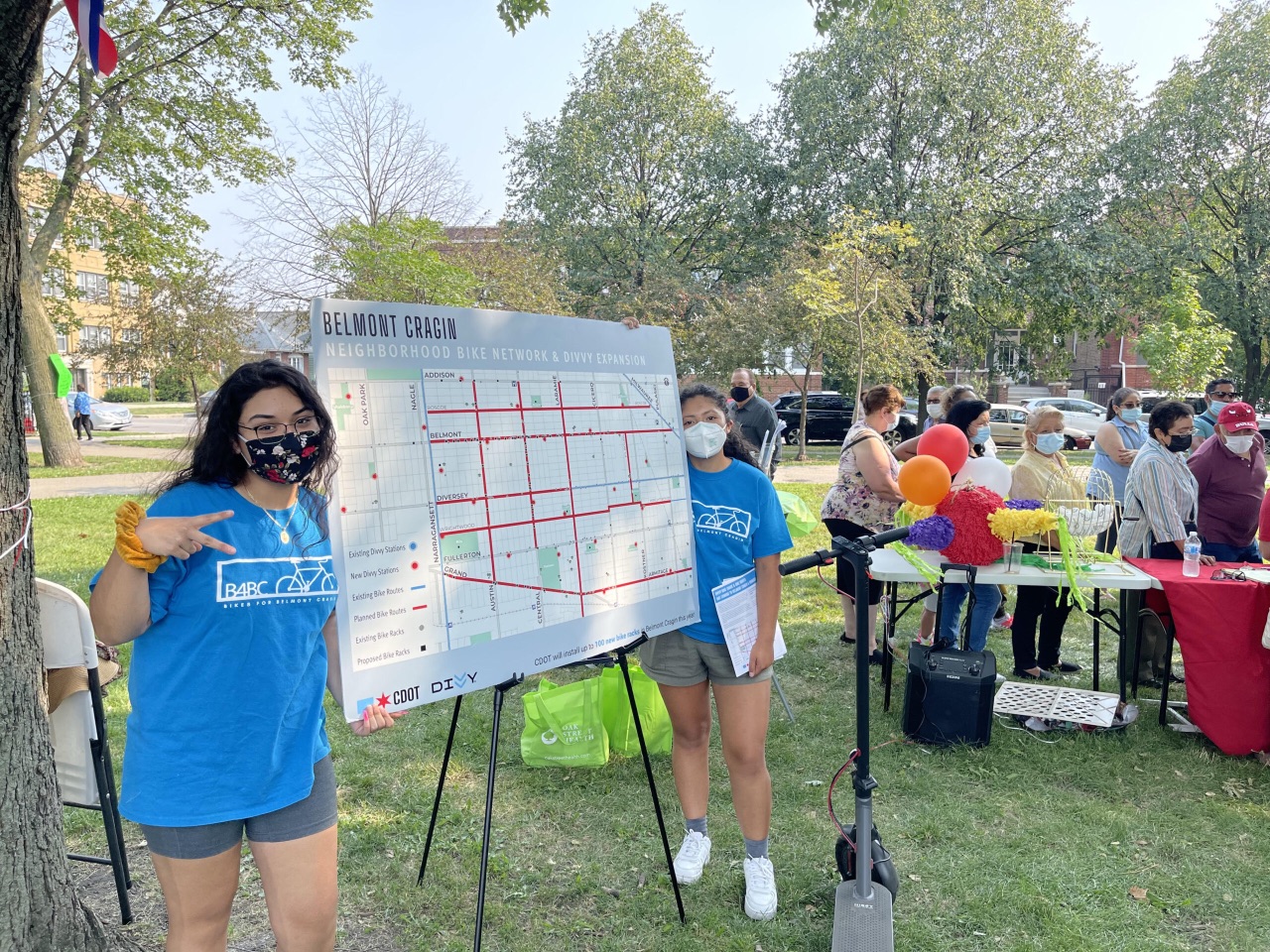
Belmont Cragin Youth Transit Ambassadors in Northwest Chicago
Belmont Cragin Youth Transit Ambassadors · Chicago

The Northwest Center, a nonprofit in Belmont Cragin, used their Living Lab grant to empower youth, build community, and shine a light on transportation needs in the local neighborhood. Youth Transit Ambassadors (YTAs) ran workshops, organized community rides, participated in state capitol visits to inform their elected officials on the transportation needs in their neighborhood, and successfully advocated for bike lanes and bike share stations.

~0community members signed up for the Divvy D4E income-based membership
0miles of bike lanes added — alongside 13 new Divvy stations
0+trips in 2022; an average of 105 daily trips
0%more trips per capita than other Phase II expansion neighborhoods
“This was my first time joining the Bikes 4 Belmont Cragin group, and what a nice time I had. I brought my two kids ages 11 and 15 and they could not stop talking about how they loved the bike lanes and the food! We connected with some other youth and started a conversation around what protected bike lanes mean to us. I can’t wait to be more involved and to tell others about what is going on in our community.”— Marizol Hernandez · October 2021
The detail that sticks

The Northwest Center community and youth organizer who led the Living Lab was so inspired by what they accomplished that he went on to found his own youth-based nonprofit dedicated to transportation justice in Chicago. The grant did more than fund a program — it created a leader.
Read the final report
Story 02 / 04 · Cincinnati, OH
Living Lab · 2021–2024

Red Bike GO.

Neighborhood by neighborhood, ambassador by ambassador — building a system the community owns.
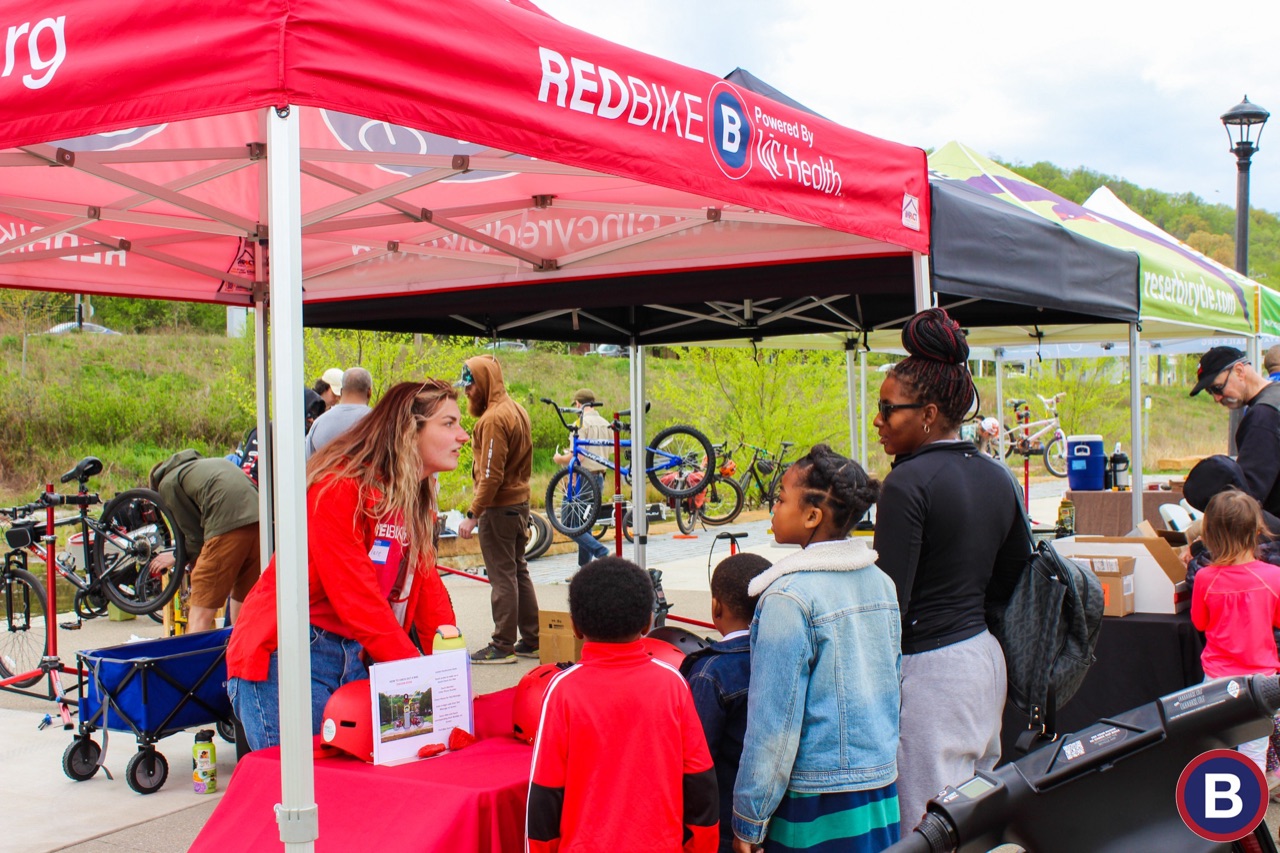
Red Bike outreach tent at a Cincinnati community event
Red Bike · Cincinnati community outreach

Red Bike used their Living Lab grant to expand access into underserved neighborhoods through service expansion, community ambassador programs, youth engagement, and data infrastructure. Their approach — thoughtful, community-led, and data-backed — became a model other systems could replicate.

0%increase in Red Bike GO member trips over the grant period
0%of all Red Bike trips in 2023 taken by Red Bike GO members
0underserved neighborhoods added (Walnut Hills, Lower Price Hill, West End, Avondale) + a men's shelter which was used heavily as soon as it was installed
0youth bike rides hosted (ages 14–18)
“People need a friend in the process – someone to vouch for the new thing, someone to show them how it works, how it might be most useful. We’ve got bikes, we’ll put them out there, they’ll be accessible, but the Ambassadors are the connection. They’re the familiar face who shows you how to check out a bike, they help you raise your seat for a more comfortable ride, they tell you the safest route to the park. Everyone needs a bike friend.”— Elese Daniel · Red Bike Engagement Manager
Read the final report
Story 03 / 04 · Pittsburgh, PA
Living Lab · 2024–2026

Advancing Equitable Outreach in Homewood.

POGOH, operated by Bike Share Pittsburgh, launched its Living Lab to address disparities in access to mobility in Homewood.
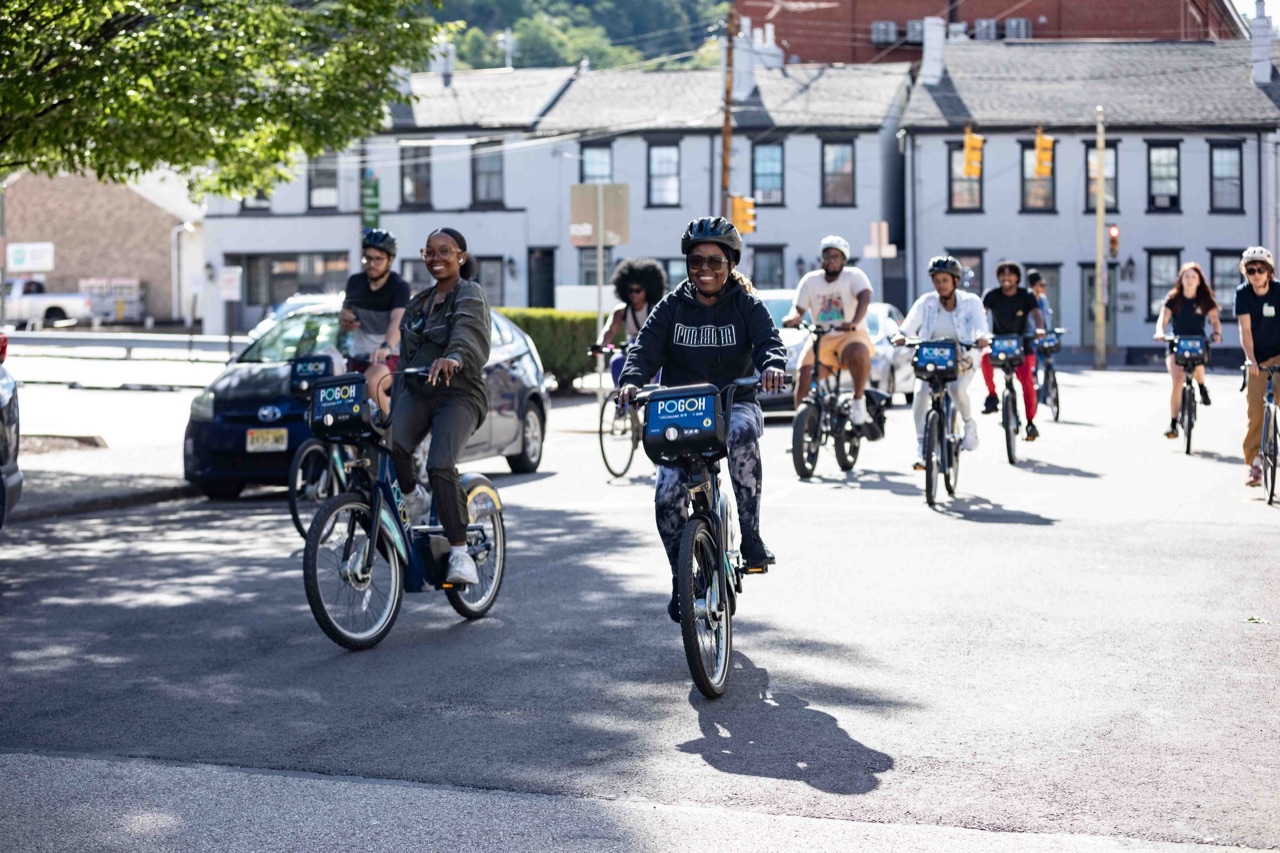
Neighborhood group ride on POGOH bikes through Pittsburgh streets
POGOH community ride · Pittsburgh

Through this initiative, the POGOH Living Lab worked alongside residents, schools, and community organizations to understand the real barriers to bike share use, build trust through consistent local engagement, create pathways for new riders — especially youth and families — and expand infrastructure to better serve community needs.

0%increase in ridership over the Living Lab grant period
0%increase in station use in Homewood
0%increase in "Mobility Justice" memberships
0people reached directly by ambassadors
The detail that sticks

POGOH's Living Lab centered on a holistic, community-driven approach — pairing education, events, and partnerships to reduce barriers and build long-term engagement in Homewood. Through direct engagement led by POGOH outreach staff and community ambassadors, new station locations were identified — all within Homewood or a half-mile radius — strengthening connectivity and making the system more accessible for daily use. Expansion planning wasn't just about adding stations, but about placing them where they could have the greatest impact.

As a result, ridership to and from bike share stations in Homewood increased by 277% during the Living Lab grant period.

Read the final report
Story 04 / 04 · Tucson, AZ
Living Lab · 2024–2026

TUGO Para Nuestros Barrios.

Bike share planned by the neighborhoods that were left out.
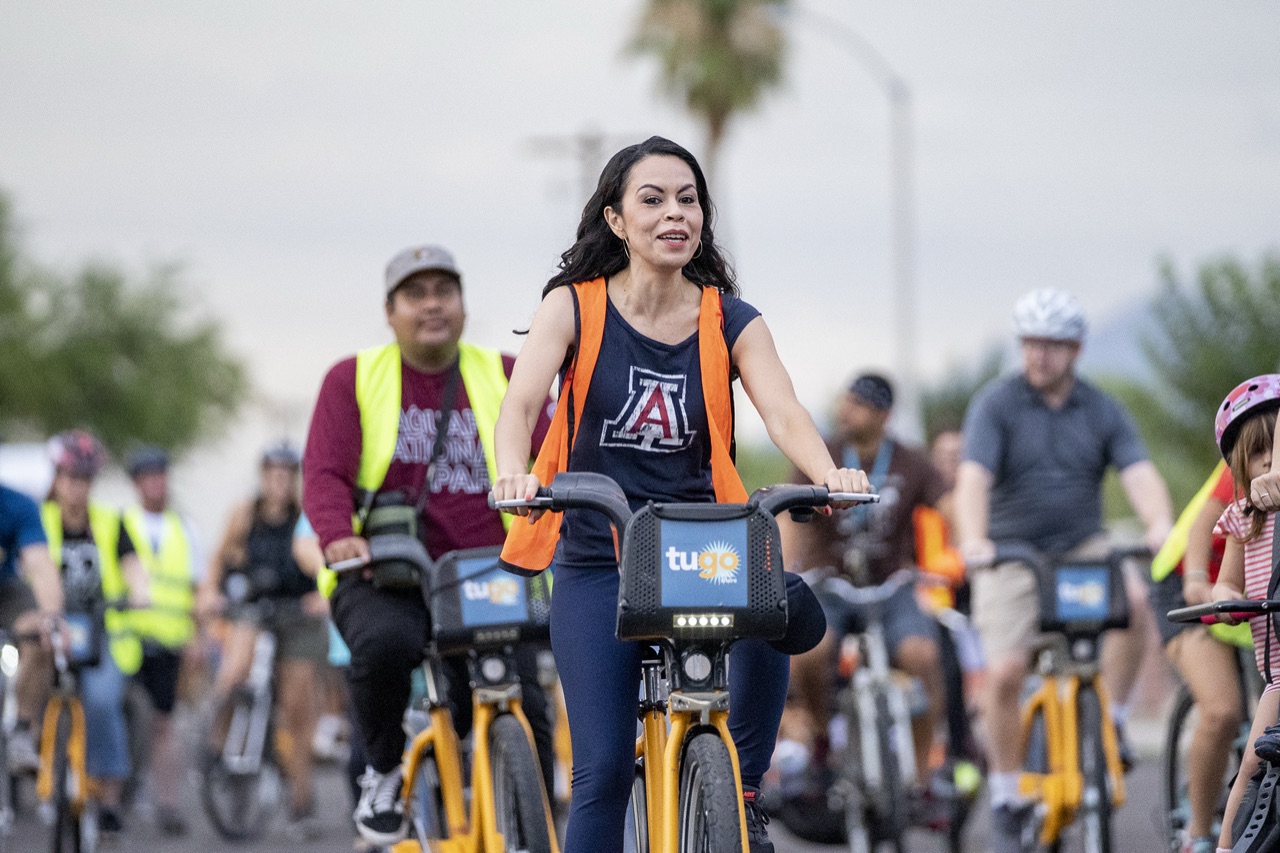
Riders on yellow TUGO bike share bikes during a community ride in Tucson
Community ride on TUGO bikes · Tucson

TUGO Bike Share used its Living Lab grant to reallocate existing stations in Tucson's south and west sides through community-led planning — residents shaping where stations go and what happens around them, not the other way around.

0stations relocated to westside barrios — Barrio Hollywood, Santiago Hills, Barrio El Rio, Silvercroft, and Brichta — guided by the Tugo Equity Priority Index
0community events and rides — block parties, barrio walks, and twice-monthly Mobility Rituals
0+first-time riders introduced to the system through Living Lab events
0%increase in "Tugo For All" equity memberships
The detail that sticks

Engagement here wasn't transactional — it was Community Mobility Rituals: barrio walks, block parties, and the monthly Bicicleteada del Sur. And when intensified immigration enforcement brought fear to the barrios, the team adapted in real time — protecting privacy, prioritizing emotional safety, and proving that equitable mobility is built on trust as much as infrastructure.

Read the final report
Challenge & Mini Grants · 2015–2026

101 grants. 63 COMMUNITIES.

Challenge and Mini grants put money into hands-on, in-person community engagement exactly where it was needed — and grew ridership in bike and scooter share everywhere they landed. Eleven annual rounds. $1.9 million. Thirty-two states.

CHOOSE A CITY TO LEARN MORE
LOADING CONTINENTAL US…
The coalition · Roundtables + Fellowship

The mission moves forward because the people do.

BBSP's most durable output isn't a program — it's people, connected. Thirteen Roundtables over ten years brought city staff, transit agencies, nonprofit operators, and community organizers into one room: an intimate working space of 40 practitioners trading what worked, what didn't, and what to try next — reinforced by peer gatherings at NACTO's Designing Cities Conference and NABSA's annual conference.

The Transportation Justice Fellowship expanded that network. Forty-three early- and mid-career leaders of color — trained, coached, and connected across cohorts — are embedded throughout the transportation field, building meaningful careers, and operationalizing equity across North America.

When the final Roundtable convened in Tucson in 2026, it wasn't a farewell — it was a handoff. The funding ends; the coalition doesn't. BBSP's mission carries forward in every city where these practitioners and fellows now lead.

Transportation Justice Fellowship · led by NACTO · 43 fellows
“The fellowship has been a premier career accelerator for BIPOC leaders in transportation justice — and will continue to create ripples of impact beyond these individuals, resulting in more just transportation systems across the country.”
— Fielding Hong · Senior Manager of Field Building · NACTO
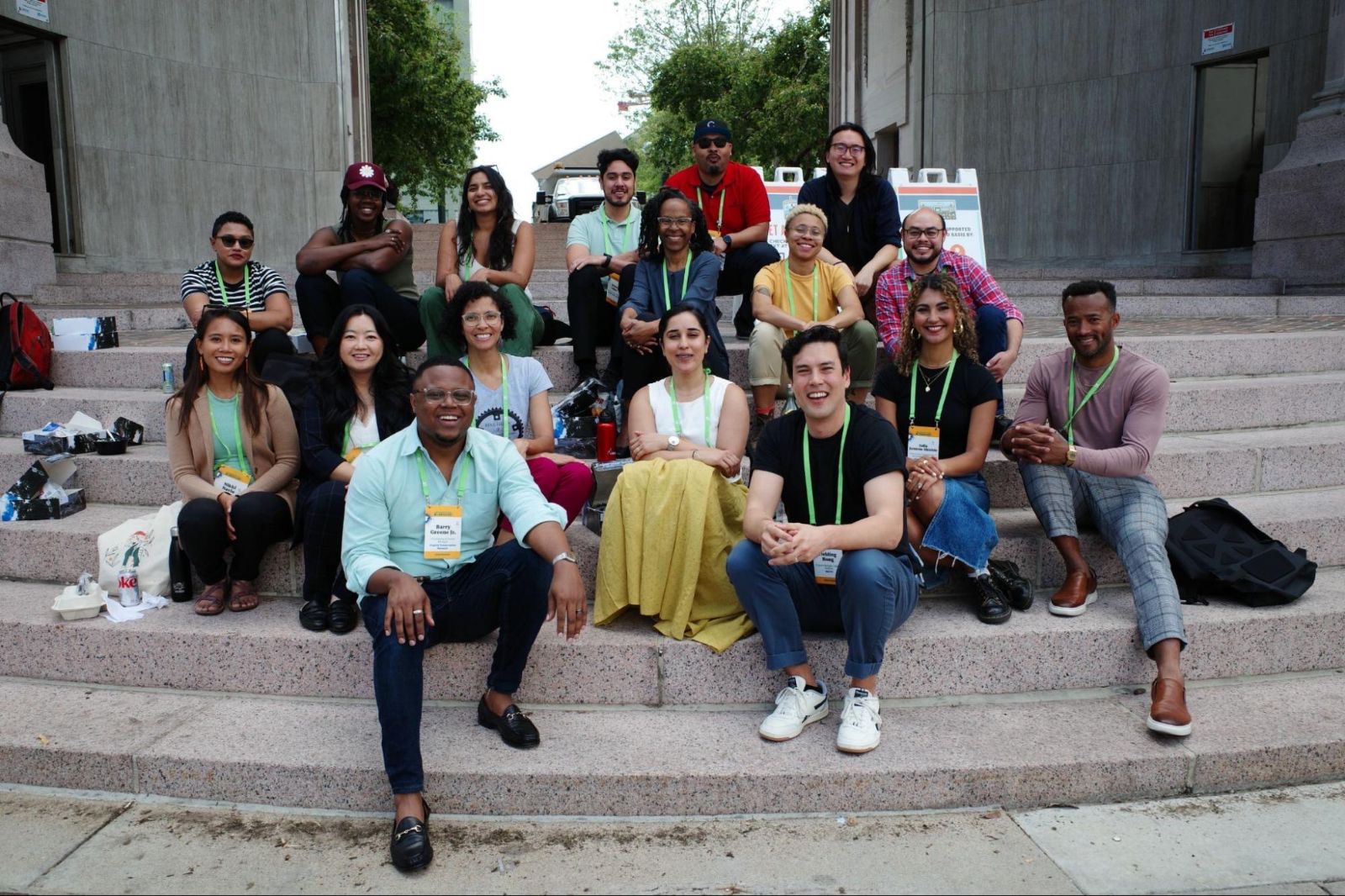
Transportation Justice Fellowship cohort seated together on stone steps
Transportation Justice Fellows · NACTO Designing Cities Conference · Denver, CO
International legacy

A playbook for shared micromobility.

Beyond local wins for individual bike and scooter share systems, BBSP's lasting legacy is the way its ideas, tools, and partnerships continue shaping shared micromobility (SMM). With partners like NABSA, it changed how systems serve those who need a variety of mobility options most — and how they're designed across North America.

“BBSP has played a critical role in the fundamental transformation of SMM by helping cities address systemic and institutional barriers to access for low-income and BIPOC communities. Through funding, research, and technical assistance, BBSP has supported cities in testing new ideas, developing strategies, and learning from one another. As a result, the SMM industry has evolved to a place where equity is at the center of system design and operations, not as an afterthought, but as a core principle. That shift is in large part due to BBSP's leadership and sustained investment in this work.” — Waffiyyah Murray · Indego Program Manager · City of Philadelphia
What we built with partners

The playbook travels.

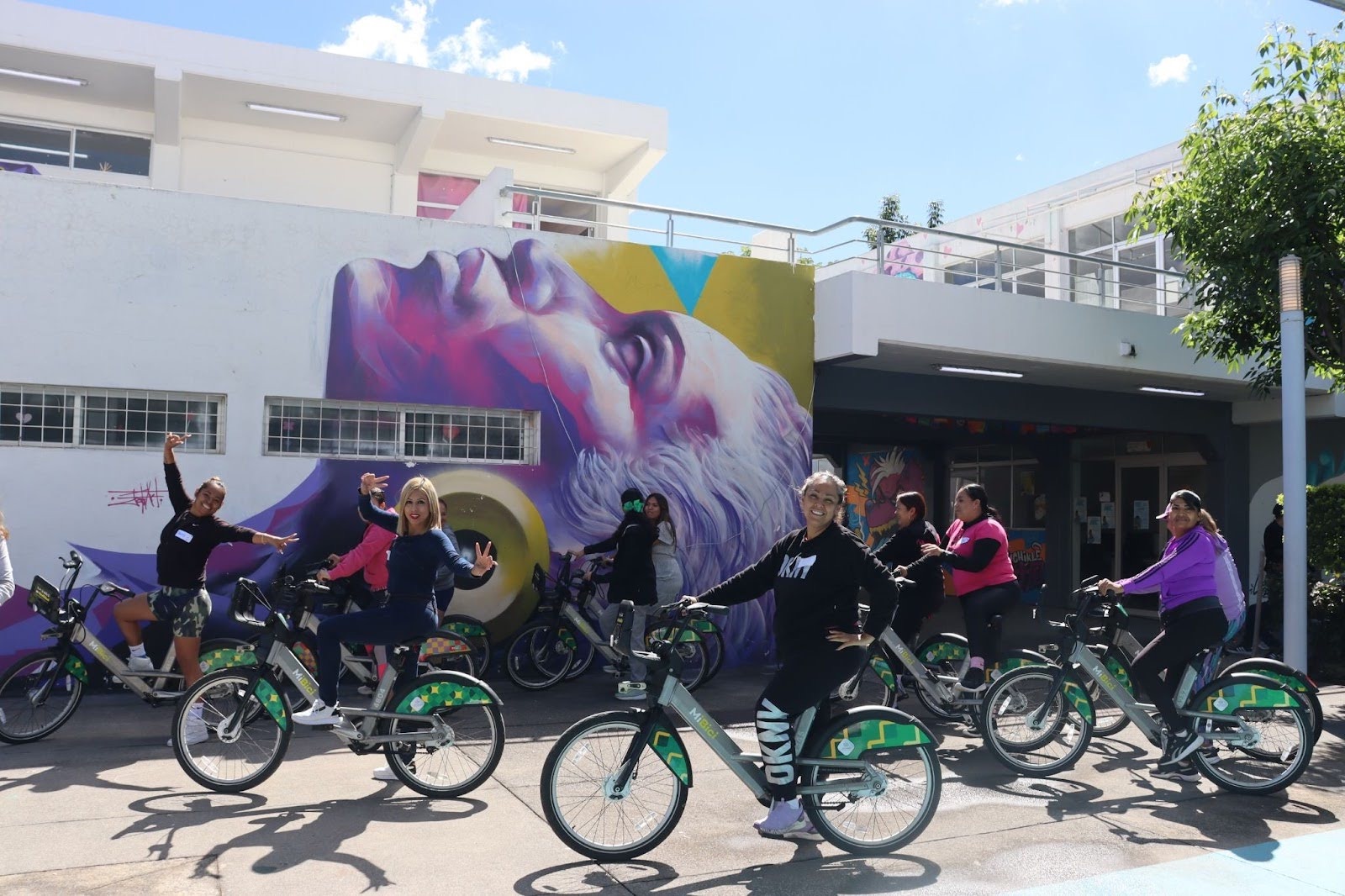
In both directions: when Guadalajara's MiBici expanded with eight new stations sited by women riders through a gender-responsive planning guide, BBSP spread the word — putting the work in front of practitioners across North America so the next system could learn from it.

BBSP did more than support systems in their efforts to get more BIPOC and low-income people on shared bikes and scooters. It helped define what equity in shared micromobility can and should look like.

Women riders on MiBici bikes in front of a large mural in Guadalajara
MiBici riders · Guadalajara, MX
“The partnership's influence on the shared micromobility industry is evident and will live on through the network of practitioners who will continue to apply what they have learned as a result of being a part of the BBSP family. Biking is better in North America because of the Better Bike Share Partnership.” — Tangier Barnes Wright · Deputy Director of Shared Micromobility, PeopleForBikes
Credits · The BBSP team

With gratitude.

Thank you to the people who helped shape BBSP.

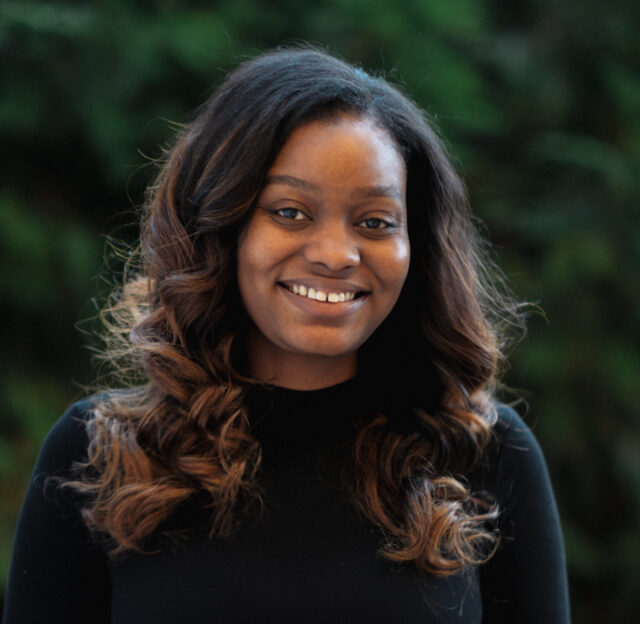
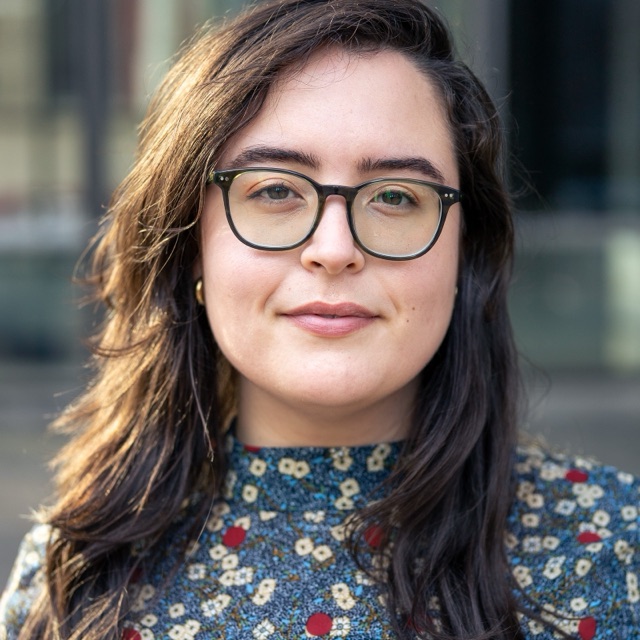
Waffiyyah Murray
Waffiyyah Murray
Indego Program Manager
City of Philadelphia
One of the matriarchs and founding partners of BBSP, she helped design and implement many of the program's core strategies while playing a pivotal role in advancing and sharing best practices for equitable bike share. Her leadership was instrumental in ensuring that shared micromobility systems across the nation could benefit from BBSP's research, resources, and community-centered approach.
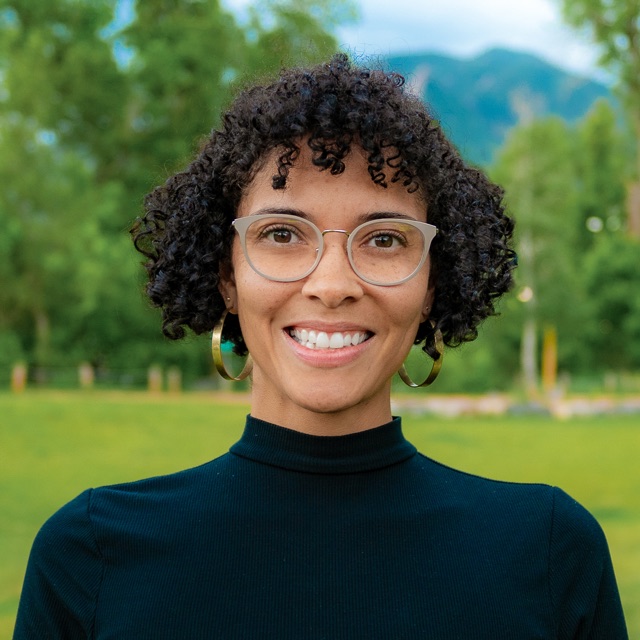
Meghan Alvarez
Meghan Alvarez
Transportation Engagement Coordinator
City of Philadelphia
Supported BBSP's nationwide grantmaking while leading novel engagement programs for Indego at the City of Philadelphia and representing our programs at conferences throughout North America.
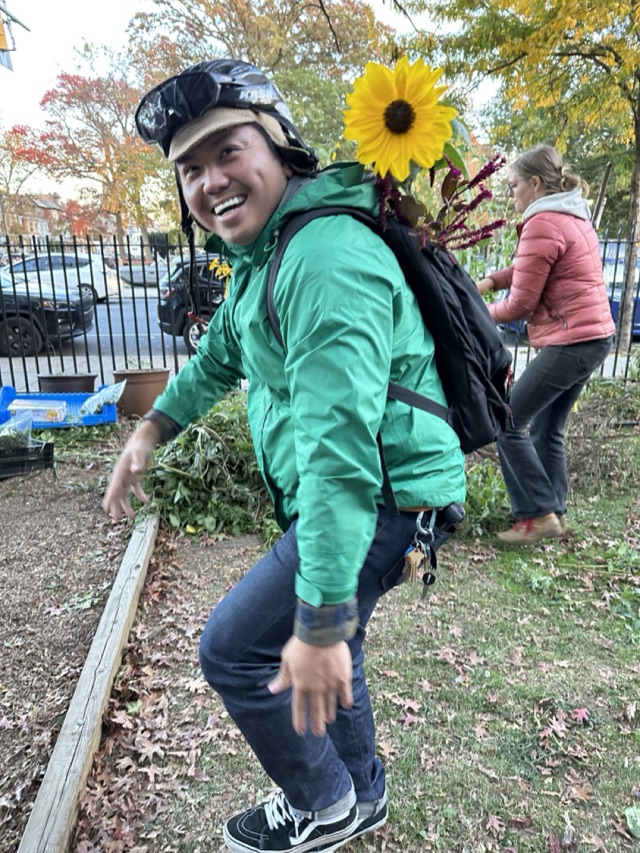
Lor Song
Lor Song
Education Programs Manager
Bicycle Coalition of Greater Philadelphia
Core organizer and manager of community outreach, educational programming, and equity-focused initiatives. Bike ride leader extraordinaire who demonstrated how to lead through inclusivity.
Tangier Barnes Wright
Deputy Director, Shared Micromobility
PeopleForBikes
Led PeopleForBikes' shared micromobility portfolio and helped steward BBSP's national strategy. Helped design and implement all BBSP program areas.
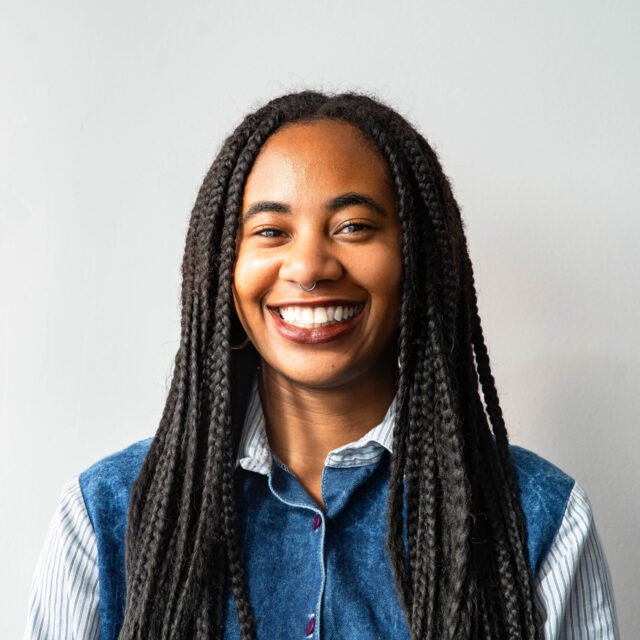
Odochi Akwani
Odochi Akwani
Writer & Content Manager
PeopleForBikes
Led BBSP's storytelling and content work in the final years and wrote stories that became BBSP's public record — the through-line of a decade of work.
Camille Boggan
Camille Boggan
Program Manager, Policy & Practice
NACTO
Tracked policy across systems and partners so BBSP's lessons could travel between cities. Led design and implementation of the BBSP Roundtables.
Fielding Hong
Fielding Hong
Senior Manager, Field Building
NACTO
Built the Transportation Justice Fellowship into a durable peer network across 5 years and contributed to cultivating a national example of how to advance equity in transportation.
Cary Bearn
Cary Bearn
Senior Manager, Multimodal Design & Programs
NACTO
Shaped how cities translate equity intent into street design, station siting, and day-to-day operating practice.
BBSP would also like to thank Aaron Ritz, Alex Engel, Aminah Ricks, Carniesha Kwashie, Farrah Daniel, Kate Fillin-Yeh, Kiran Herbert, Nicole Payne, Rani Narula-Woods, Stefani Cox, Yadira Cabrera, Zoe Kircos — and everyone who helped bring the vision of BBSP to life.
A partnership of
Resources

Still here. Still public. STILL FREE.

The full body of knowledge BBSP produced over twelve years remains online — indexed, accessible, and permanent. Build on it!

700+
Stories documenting best practices for equitable implementation of shared micromobility
Browse stories
16
Best-practice guides for breaking down barriers
Browse resources
5
Grantee Impact Stories · Living Lab program
Read case studies
3
National research · Drexel · PSU
Find research
13
Roundtable session recaps · 2016–2026
Read recaps
What's next

The work didn't end
when the funding did.

While BBSP has concluded, its impact continues through the people, programs, and practices it established. Cities, operators, advocates, and community leaders across North America continue building on this foundation every day.

BBSP's mission lives on in the 92% of systems that now offer discount programs — in the fellows who are now embedded throughout the transportation field working to operationalize equity across North America — in all the people of color who now see themselves in this space and are making careers out of it — in the community rides, the youth transit ambassadors, and the riders who got on a bike for the first time because existing barriers were removed.

If this work speaks to you — if you're a funder, a city, an operator, or an advocate who believes it should continue — we'd love to hear from you.

Continue the work

For information on how to make biking better for everyone through advocacy, policy, infrastructure, and participation, contact PeopleForBikes.

For information about how cities are leading the way on equitable infrastructure design and implementation, contact NACTO.

For information on community engagement best practices and equitable bike share expansion, contact the City of Philadelphia.

For information on growing bike share in North America and to learn about the industry's membership organization, contact NABSA.

© BETTER BIKE SHARE PARTNERSHIP · 2014 — 2026 FUNDED BY THE JPB FOUNDATION SITE BY WRIGHT ADVENTURES ↑ BACK TO TOP